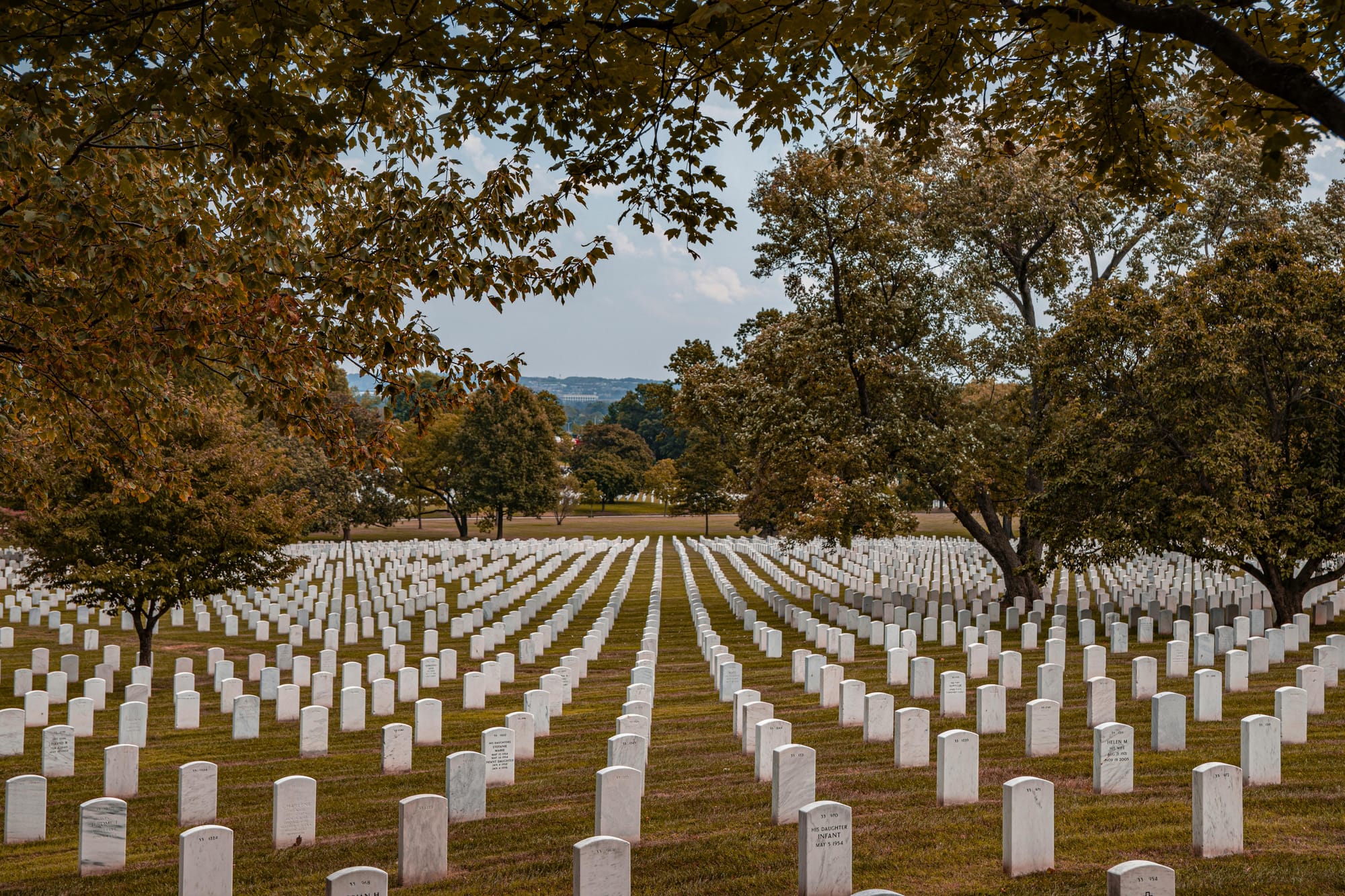
Trump's Psychedelic Revolution: A New Hope for Veterans' Mental Health
You know, I was in my garden the other day, pulling out weeds when a thought struck me – just like how we must tend to our plants with care and attention, so too must we nurture our minds. And today, there’s an exciting development that could change how we address mental health, especially for those who’ve served our country.
President Donald Trump has signed an executive order aimed at speeding up the review process for psychedelic drugs as potential treatments for post-traumatic stress disorder (PTSD) and traumatic brain injuries in military veterans. This move has sparked a mix of excitement and skepticism among experts and enthusiasts alike.
As someone who’s passionate about holistic health, I’m genuinely intrigued by the potential of psychedelics to heal deep-seated traumas. The body is a temple, but it's also a garden – sometimes, we need to dig deeper to nurture our roots. Let’s dive into the world of psychedelic research, explore the implications of Trump’s executive order, and examine what this could mean for veterans’ mental health.
A Brief History of Psychedelic Research
Psychedelics have been used for centuries in traditional medicine and spiritual practices. I remember my grandmother talking about natural remedies that seemed almost magical. But it wasn’t until the 1950s and '60s that Western scientists started to explore their therapeutic potential.
Researchers like Albert Hofmann, who first synthesized LSD, and Timothy Leary, a Harvard psychologist, pioneered studies on these substances. They showed that psychedelics could induce profound changes in consciousness, opening doors to new ways of understanding the mind. However, this promising research was largely abandoned due to safety concerns and the association with the countercultural movement's recreational use.
The Current State of Psychedelic Research
Fast forward to today, and we’re witnessing a psychedelic renaissance. Studies on psilocybin (the active ingredient in magic mushrooms), MDMA (commonly known as ecstasy), and ibogaine have shown remarkable results in reducing symptoms of depression, anxiety, and PTSD.
- A 2016 study published in the Journal of Psychopharmacology found that psilocybin-assisted therapy reduced symptoms of treatment-resistant depression by up to 80%.
- The Multidisciplinary Association for Psychedelic Studies (MAPS) has conducted extensive research on MDMA-assisted therapy for PTSD, showing significant reductions in symptoms and improved quality of life.
- Ibogaine, a naturally occurring psychedelic found in the roots of the iboga plant, has been used to treat addiction and depression with impressive results.
Trump's Executive Order: A Game-Changer for Veterans?
Trump’s executive order aims to expedite the review process for psychedelic drugs by directing federal regulators to:
- Streamline clinical trials and regulatory approvals
- Increase funding for research on psychedelics for PTSD and traumatic brain injuries
- Provide greater access to experimental treatments for veterans
Some critics argue that this move might bypass traditional FDA protocols, but proponents see it as a necessary step to address the growing mental health crisis among veterans. It’s like planting a new seed – we need to give it the right conditions to grow.
The Right to Try Act: A Precursor to Psychedelic Reform?
In 2018, Trump signed the Right to Try Act, allowing terminally ill patients to access experimental treatments not yet approved by the FDA. This legislation has been seen as a precursor to broader psychedelic reform.
The Right to Try Act has sparked controversy, with some arguing that it undermines the FDA’s authority and puts patients at risk. However, proponents argue that it provides hope for those who’ve exhausted conventional treatment options. It’s a bit like giving people a choice in their garden – sometimes, traditional methods just don’t work, and we need to try something new.
Reddit and Online Communities: A Hub for Psychedelic Discussion
Online forums like Reddit's r/Psychedelics and r/TrumpPsychedelics have become hotbeds of discussion on the topic. Enthusiasts, researchers, and veterans share their experiences, ask questions, and debate the merits of psychedelic therapy.
These communities demonstrate a growing interest in psychedelics as potential treatments for mental health disorders. However, they also highlight the need for balanced information and responsible discussion. It’s like a community garden – everyone has something to contribute, but we need to make sure it’s all done with care and respect.
Conclusion: Nourish Your Roots
As we move forward with this new frontier in mental health treatment, it’s essential to approach psychedelics with an open mind and a critical eye. The body is a temple, but it's also a garden – sometimes, we need to dig deeper to nurture our roots.
If you’re a veteran or know someone struggling with PTSD or depression, I encourage you to explore the possibilities of psychedelic therapy. While more research is needed, the potential benefits are undeniable.
Take action:
- Stay informed about the latest developments in psychedelic research and policy.
- Support organizations like MAPS and the Psychedelic Research Foundation.
- Share your story and experiences with psychedelics (responsibly) to help normalize the conversation.
Together, we can cultivate a more compassionate and holistic approach to mental health. Nourish your roots, sister – the future of psychedelic therapy depends on it.
Enjoyed this? Enter your email for a weekly digest from Fitnourishedlife.