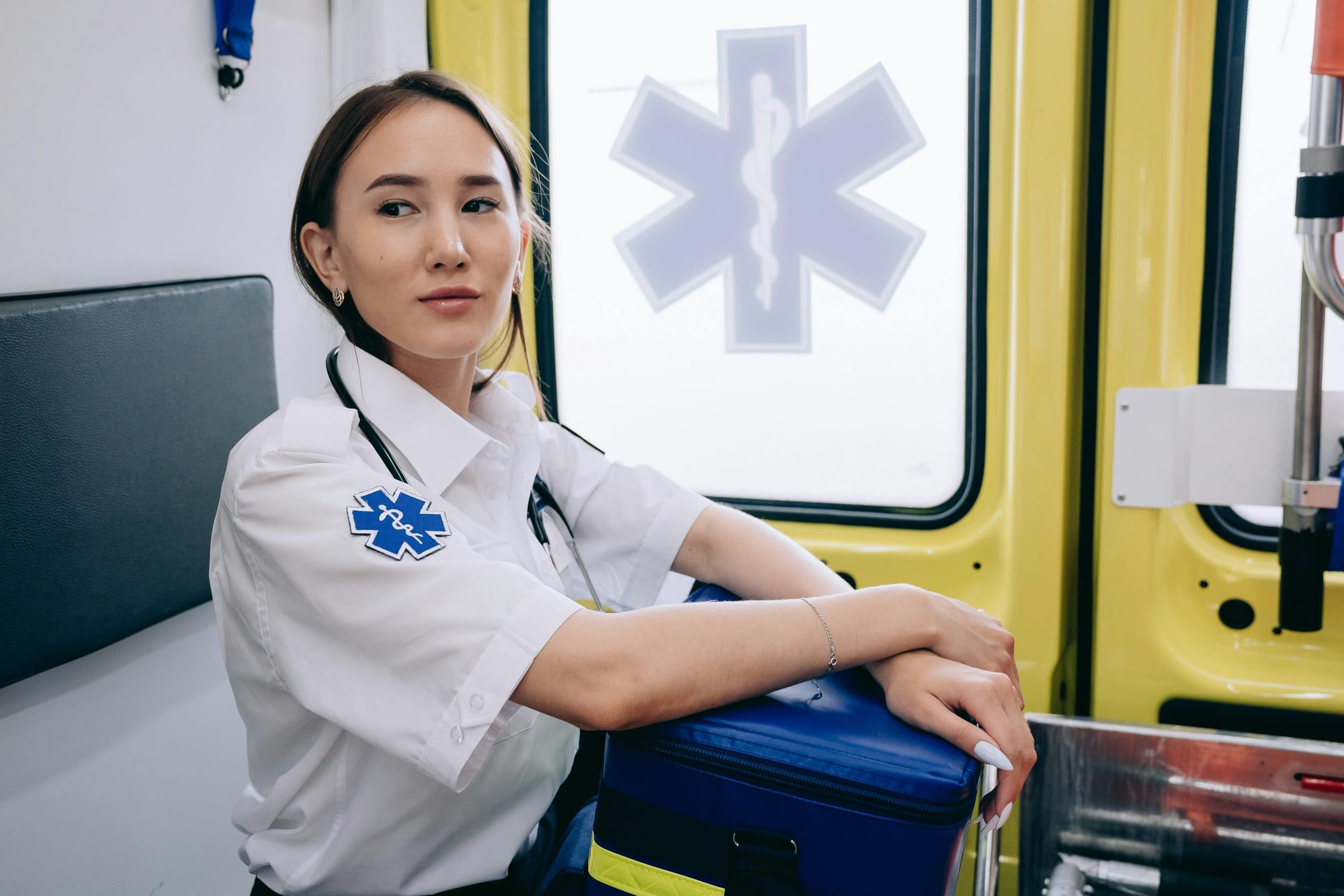
A Lifeline on Hold: The Impact of Wrexham University's Paramedic Science Programme Pause
As I sit down to write this article, my mind drifts back to the wisdom of an Indian proverb that always resonates with me: "A tree is known by its fruit." When it comes to healthcare education, the 'fruit' we're talking about are the skilled professionals who graduate from esteemed institutions like Wrexham University. So when I heard that their Paramedic Science programme will not be accepting new students for the 2026-27 academic year, I couldn't help but feel a pang of concern. It's a decision that has certainly sent ripples through the medical community. As someone who is deeply passionate about holistic well-being and health education, I felt compelled to dig deeper into this matter.
Understanding the Decision
Now, why did Health Education and Improvement Wales (HEIW) decide to pause the commissioning of new paramedic students? It's a question that has many layers, much like an onion you peel back one layer at a time. The primary reason cited is the shortage of jobs in the paramedic sector. You see, it’s not just about filling seats in classrooms; it's also about ensuring that these aspiring paramedics will have placements and job opportunities waiting for them once they graduate.
Imagine this: if there aren’t enough positions for new graduates, then what happens to all those eager students who are ready to make a difference? It’s like planting seeds without the soil to nourish them. The NHS is currently grappling with its own staffing crisis, which has led to fewer vacancies for newly qualified paramedics. This shortage, in turn, makes it difficult for educational programmes to offer the essential hands-on training that students need.
The Consequences of a Programme Pause
The immediate impact? Well, let’s put ourselves in the shoes of prospective students who had their hearts set on Wrexham University's Paramedic Science programme. They’re now faced with a tough decision – do they pivot to another course or look elsewhere for their education? It’s a daunting situation that can bring a lot of uncertainty and disappointment.
But the consequences don’t stop there. The pause could have far-reaching effects on the healthcare sector as a whole:
- Reduced numbers of trained paramedics entering the workforce: This means fewer hands to respond to emergencies, which can be critical in life-or-death situations.
- Increased workload for existing paramedics: Overworked and understaffed teams can lead to burnout, stress, and even more vacancies down the line.
- Potential delays in addressing the NHS staffing crisis: The longer we wait to train new paramedics, the harder it becomes to bridge that gap.
A Deeper Look at the Paramedic Shortage
To really get a handle on this issue, let’s take a look at some numbers. According to a 2022 report by the College of Paramedics, there are about 3,500 unfilled paramedic vacancies across the UK. That’s a staggering number, and it affects every region:
| Region | Unfilled Paramedic Vacancies |
|---|---|
| England | 2,300 |
| Scotland | 400 |
| Wales | 200 |
| Northern Ireland | 100 |
These figures are more than just numbers; they represent the gaps in our healthcare system. Think about it – paramedics are often the first responders on the scene, tending to some of the most urgent needs in our communities. The body is a temple, but it’s also a garden that sometimes requires immediate attention.
Nourishing the Roots of Healthcare Education
Reflecting on this situation, I’m reminded of another Indian proverb: "The roots of a tree are hidden, but they sustain the entire plant." In healthcare education, these ‘roots’ are the programmes and institutions that shape our future medical professionals. We need to ensure that we’re nurturing these roots for the health of the entire system.
So, what can be done to address this shortage?
- Increase funding for healthcare education and training initiatives: This means investing in the infrastructure and resources needed to train more paramedics effectively.
- Improve working conditions and job security for existing paramedics: By making the profession more attractive, we can retain experienced professionals and attract new talent.
- Enhance collaboration between educational institutions and healthcare providers: Bridging the gap between theory and practice ensures that students are well-prepared for their roles.
Conclusion: A Call to Action
The pause in Wrexham University’s Paramedic Science programme is a wake-up call. It highlights the need for a comprehensive approach to tackling the paramedic shortage. This isn’t just about one university or one programme; it’s about the future of our healthcare system.
Sister, let me tell you – we all have a part to play in this. Policymakers, educators, and medical professionals must come together to create a more robust and supportive environment for paramedic education and training. If you’re passionate about this cause, don’t hesitate to reach out to your local representatives or healthcare organizations. Your voice can make a difference.
As we navigate these challenges, let’s remember that every individual has the potential to contribute to a healthier future – one rooted in compassion, knowledge, and dedication. Together, we can cultivate a system that thrives and supports all those who seek to heal and serve.
Related: Scientists Win 'Oscar of Science' for Vision-Restoring Gene Therapy
Enjoyed this? Enter your email for a weekly digest from Fitnourishedlife.